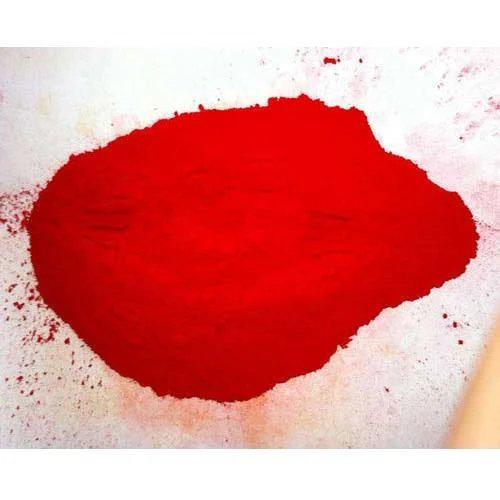
About Organic Pigment
The Organic Pigment is derived from carbon rings and chains. But it might also contain traces of metallic elements, which are inorganic in nature, in order to stabilize the component. It is based on carbon chains and rings. While some contain inorganic elements as stabilizers, organic pigments are defined primarily by this factor. These strong carbon chains also make them highly stable. The offered Organic Pigment is very effective and made for use in the various industries. It is highly demanded.
Superior Performance Across Various ApplicationsWith excellent light and heat stability, our organic pigment excels in a range of environments, resisting fading and maintaining color vibrancy even under demanding processing conditions. Its fine particle size ensures smooth dispersion, making it ideal for industrial sectors such as plastics, textile printing, inks, paints, and coatings. The product's high resistance to moisture, acids, and alkalis adds to its durability and versatility.
Strict Safety and Environmental ComplianceManufactured with non-toxic materials and showing zero heavy metal contamination, this pigment complies with RoHS and EN71 standards. It is odourless, insoluble in water, and safe for workplace use. Reliable packaging and a long shelf life ensure ease of transport, storage, and extended usability, meeting both regulatory and practical requirements for industrial colorants.
FAQ's of Organic Pigment:
Q: How do I use organic pigment in industrial applications?
A: Organic pigment can be incorporated into plastics, paints, inks, coatings, and textiles using blending or dispersion methods. Its micronized powder form allows for superior distribution in both aqueous and solvent systems.
Q: What benefits does this pigment offer over conventional alternatives?
A: This pigment provides excellent lightfastness, heat stability up to 250C, superior water, acid, and alkali resistance, and non-toxicity. Its compliance with RoHS and EN71 standards makes it a safer and more environmentally friendly choice for various industries.
Q: When is the best time to use this pigment for manufacturing processes?
A: For optimal results, use the pigment during the initial stages of product formulation, ensuring thorough blending and dispersion. This guarantees vibrant, consistent coloration and enhanced stability across your final product.
Q: Where should the pigment be stored to maintain its quality?
A: The pigment should be kept tightly sealed in its original HDPE packaging or drums and stored in a cool, dry place. Proper storage helps preserve its quality and maintains the 24-month shelf life.
Q: What is the process for blending the pigment into coatings or paints?
A: Blend the micronized powder pigment gradually into the base medium, using appropriate dispersing equipment for uniform distribution. The superior dispersibility ensures even tint, stable color performance, and resistance to environmental stressors.
Q: How does the pigment's safety profile benefit my production environment?
A: Non-toxic and odourless, the pigment is safe for workers and finished products alike. It meets strict safety standards, minimizing exposure to hazardous substances and ensuring compliance with international regulations.
Q: What range of colors and grades are available?
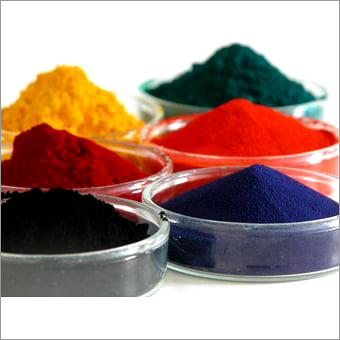
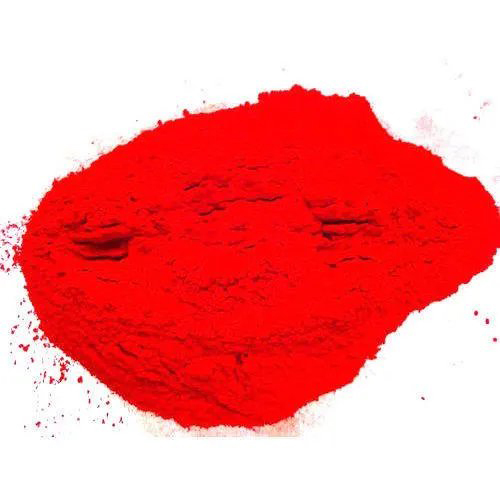
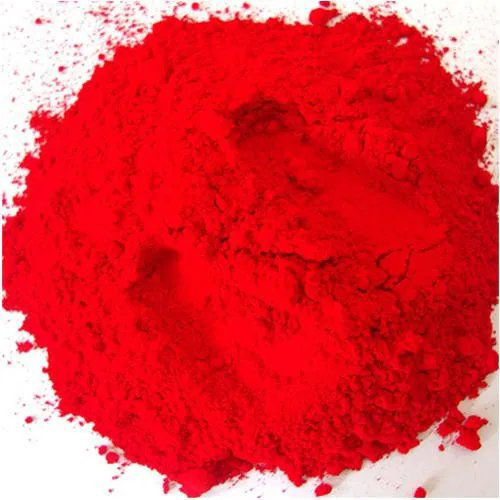
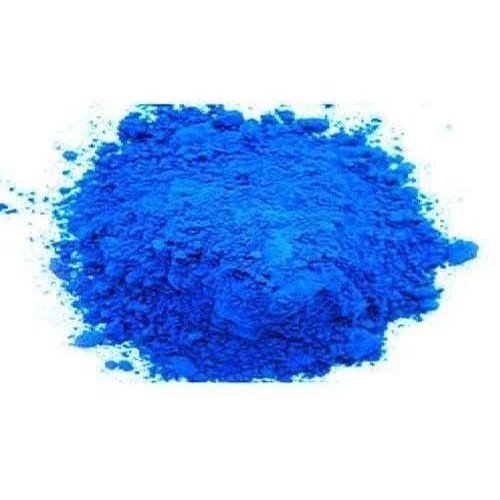
A: The pigment comes in a variety of vibrant shades-red, yellow, blue, green, violet, orange, and more. It is supplied in industrial grade, micronized powder form for efficient use in manufacturing applications.






 Send Email
 Send Inquiry

 Send Inquiry
 Send Inquiry
 Send SMS
 Call Me Free
 English
 Spanish
 French
 German
 Italian
 Chinese (Simplified)
 Japanese
 Korean
 Arabic
 Portuguese