About Basic Dyes
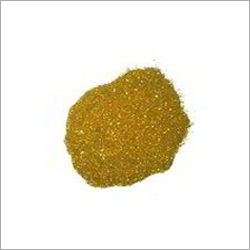
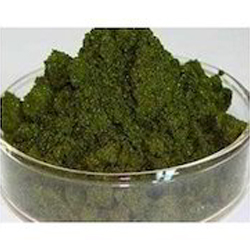
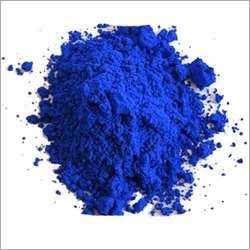
We are indulged in rendering a high quality of Basic Dyes. These are usedfor dyeing of jute, coir and so on. These dyes are a water-solublecationic dyeswhich are mainly applied to acrylic fibres. Apart from these, provided dyes are added to thedyebath to help the uptake of thedye. Basic Dyes are useful in the coloration of paper and dyeingwool. These are exceptionally easy touse for industrial applications.
Vibrant Colour Solutions for Diverse IndustriesBasic Dyes provide brilliant, high-strength color for textiles, paper, inks, and more. Their high tinctorial value ensures vivid shades across a variety of substrates, making them an industry standard for coloring acrylic fibers and specialty polymers. With global availability and multiple color options, these dyes ensure versatility and creative flexibility.
Safe, Eco-Conscious, and Reliable PerformanceEngineered for safety and eco-friendliness, Basic Dyes contain no heavy metals or banned aromatic amines. They are classified as non-toxic during recommended use, requiring only standard laboratory safety practices. Proper storage and handling preserve their integrity, ensuring stable, reliable color results for up to three years.
FAQs of Basic Dyes:
Q: How are Basic Dyes typically applied to different substrates?
A: Basic Dyes can be applied using methods such as solution dyeing or direct application. These processes allow the dye to penetrate fibers like acrylic, modacrylic, and polyacrylonitrile, resulting in brilliant and uniform color.
Q: What is the recommended storage condition for Basic Dyes to maximize their shelf life?
A: Store Basic Dyes in a cool, dry, and well-ventilated area with the container tightly closed. This helps maintain their purity and effectiveness throughout the 2-3 year shelf life.
Q: Where are Basic Dyes most commonly used?
A: You will find Basic Dyes used widely in the textile industry, but they are also suitable for paper, ink, leather, plastics, wool, and silk applications, offering versatility for manufacturers worldwide.
Q: What advantages do Basic Dyes offer during the coloring process?
A: They provide high tinctorial strength, excellent solubility in water, and vibrant color shades. Their good heat stability under standard conditions and suitability for various synthetic fibers enhance manufacturing efficiency.
Q: Are Basic Dyes safe and environmentally friendly for industrial use?
A: Yes, Basic Dyes do not contain heavy metals or banned aromatic amines. When used as recommended and handled with basic laboratory safety measures, they are non-toxic and eco-friendly.
Q: When is it best to use Basic Dyes after purchase?
A: For optimal color performance, it is best to use Basic Dyes within their 2-3 year shelf life and to ensure they are stored properly according to manufacturer instructions.






 Send Email
 Send Inquiry

 Send Inquiry
 Send Inquiry
 Send SMS
 English
 Spanish
 French
 German
 Italian
 Chinese (Simplified)
 Japanese
 Korean
 Arabic
 Portuguese